RC HELICOPTER BEARING COUNT
by John Salt
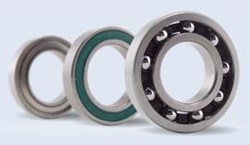
When looking for your best RC helicopter, you may notice Bearing Count listed under the heli's features (especially on higher end collective pitch heli kits).
What does it mean and why is this important?
This number simply refers to the quantity of ball bearings the RC helicopter uses. An important item because all hobby grade helicopters (especially collective pitch) require a minimum number of ball bearings and manufacturers will want to include this information as it adds value to the RC helicopter kit. Generally the higher the bearing count, the better quality helicopter you are getting.
Why are bearings important?
There
are many items on your helicopter that rotate and pivot. For a shaft to
pivot or rotate, it must turn inside a bushing or ball bearing.
Bushings offer weight savings and are inexpensive, but they wear out
much faster than ball bearings. Once worn out, the fit is sloppy and
results in unwanted movement, play, or vibration in the component - the
helicopters worst enemies.
Bushings
therefore have to fit tight around the shaft that is rotating inside
them to eliminate excessive amounts of play. This “tight fit” leads to
the other problem with bushings, they have substantial amounts of drag
so more power is lost due to friction. When you are starting out, you
certainly don’t have to get an RC helicopter kit with a huge number of
ball bearings, but you should know the areas of the helicopter that
really should or must use ball bearings. What is a huge number? Top of
the line collective pitch RC helicopters can have bearing counts of 60 or more bearings.
A
decent quality RC helicopter should have a bearing count of a around
20-30 ball bearings. This number really depends on the size & type of heli you
are getting, but it is a good starting point. Electric helis will
generally have a lower bearing count than fuel powered helicopters since
they don't require clutches and starting shaft systems. Flybarless helicopters will also have less as the head is much less complicated with fewer moving parts.
It is
actually pretty simple to figure out what components on a RC helicopter
should have ball bearings. Just ask yourself this question:
“What parts of my helicopter rotate and pivot many times during a flight”?
Your answer should include:
- Main rotor shaft / rotor mast
- Main blade holders/grips
- Swashplate
- Flybar pivot and rotation points (flybared helis)
- Washout arms (flybar & flybarless heads)
- DFC Control Arms (DFC heads)
- Starting shaft for a nitro or gas model
- The clutch for a nitro, gas, or turbine model
- The one way auto-roation bearing/s
- Tail drive output pinion gear or belt drive gear
- Tail Rotor Shaft
- Tail rotor gear box, belt tensioner/s
- Torque tube support bearing
- Tail rotor blade holders/grips
- Tail rotor pitch sleeve
- The motor or engine output shaft
The above list of components spin or pivot hundreds or thousands of times per flight and/or have heavy rotational loads; that is why it's so important to ensure these components use ball bearings over bushings.
I recommend you use
this list as a minimum guideline for what components on any hobby grade collective pitch
RC helicopter should have ball bearings.
Remember
me saying on the home page that the quality of RC helicopters keeps
getting better and the costs keep going down.
Here's a prime example of that. Most average kits today now come with higher bearing counts than they did in years gone by at the same or less cost.
That said, newer design features on modern day collective pitch RC helicopters such as direct servo to swashplate linkages and flybarless rotor heads have reduced many moving parts that needed bearings and in that respect, bearing counts are down - reducing both weight and cost.
There can be many other components on your helicopter that pivot, mostly the
control linkages. This is where the higher end RC helicopter kits will
also use ball bearings. My Intrepid heli below for example has dozens of bearings in the mechanical CCPM linkages alone to provide slop free movement and long service life.
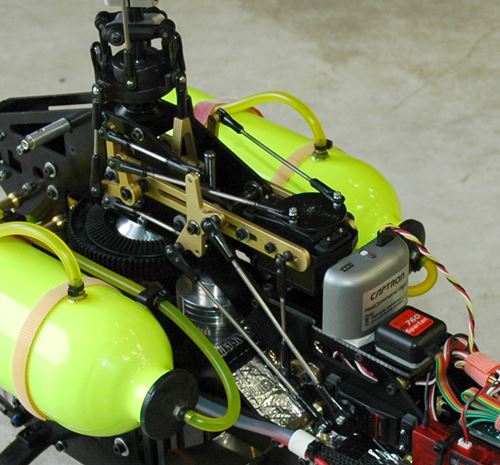 Large Bearing Count In High End Mecanical CCPM Linkages
It is not critical when you are learning to have
bearings on these components because they don’t move as many times and
will take longer to wear out. You generally don’t need the fast precise
control that a more advanced heli pilot is looking for – another reason
control pivot points will work fine with bushings when you are starting
out.
Over time as the
bushings wear, you might want to replace them with ball bearings. Most
quality manufactures will offer bearing upgrade kits to replace the
plastic bushings with high quality bearings down the road or aftermarket bearing upgrade kits. This will
allow you to save a few bucks up front when you purchase your RC heli
kit. By the time some of the bushings wear out, you will be a proficient
flier. You will now notice and appreciate the quick and precise control
that the ball bearings offer – a perfect solution.
If
you already are a good RC heli pilot and you are looking for a more
advanced heli - get one with as many bearings as possible. While bearing
upgrade kits are available, they will tend to cost more in the long run
than if you were to get a top end RC helicopter kit right off the bat.
Here is a very good article on all the various bearing types if you are really interested in learning more about them.
Bearing Count Tips / Maintenance
No
matter what your bearing count, ball bearings will wear out over time,
just not nearly as quickly as bushings. Dirt, moisture, heat and lubrication
breakdown are the main culprits of premature bearing failure – rough
rotation, binding, and corrosion are the results.
Every 20 flights or so, you should go over your helicopter... Pivot and
spin all the components by hand to feel for any roughness, binding, or
slop in any of the bearings. Have a look at the bearings for any signs
of rust or corrosion. Bearings that have black goo coming out them is
generally a good indicator that the lubrication has broken down.
Some brushless electric motor manufacturers actually recommend bearings be oiled every half dozen flight or so. Much of this has to do with using thinner oils instead of longer lasting greases so lubrication is lost faster. Personally, I pack my bearings with grease for the longest life, but I'm no racer or power freak - I'm just a regular sport flyer.
If you
notice any bearing that is turning a shade of blue (as if it were exposed
to very high temperatures), you likely just saved yourself from a
crash. A bearing that is heat oxidized blue from loss of lubrication is about ready to
seize at any moment and "heat weld" tight or completely disintegrate. A bearing in this condition should never be used again and must be replaced immediately!
If
you find a bearing that is suspect, remove it, clean it, and
re-oil/grease it. I find 50% of the time (assuming it's not worn out); this will get a bearing running like new again. Keep an eye on it however afterwards and if it starts binding again - you know it can't be saved.
When you do have to replace a bearing/s, I have found that good quality
commercial or wholesale bearing shops often sell ball bearings at
much better prices than the hobby shops can – often the quality is
better too.
Just take your
old bearing/s in so they can measure it/them to see if they have any in
stock. You could also e-mail, fax or call them with the exact dimensions
of the bearing if you are proficient at using a caliper or know the bearing number.
Most
bearing shops will have or can order in the bearings you need -
remember, RC heli manufacturers don’t custom design ball bearings to fit
their kits – they engineer their kits to use ball bearings that are
already on the market.
Best RC Helicopter Bearing Source

Boca Bearing is an outstanding online source for hobby size quality bearings if you don't have a good local bearing shop.
I order most of my more costly RC helicopter's bearings from Boca when they need replacement, and have always had nothing but outstanding service along with top of the line bearings!
As an Amazon Associate I earn from qualifying purchases.

Need Heli Help?
- Are you getting into the hobby and have no one to help you out?
- Are you feeling overwhelmed & confused?
- Are you tired of wasting time seeking partial and conflicting information?
- Is crashing due to not fully understanding helicopter setup turning you off the hobby?
- Are you simply ready to give up?
My RC Helicopter eBooks are here to help you with those exact problems.
Click Here For More Information
Click Here For More Information
Click Here For More Information
 Interested In RC Airplanes Too? Save Money With The Beginner's Combo Package
Recent Articles


-
OMPHobby RC Helicopters Let You Master The Skies
Apr 18, 24 07:21 PM
 Don't settle for anything less! OMPHobby RC Helicopters are built to last while taking your flying passion to a whole new level.
 -
Best Flybarless System In 2024 - Is There Such a Thing?
Apr 02, 24 09:08 PM
 Looking for the best flybarless system? Let's look at what's out there, pros & cons, features and pricing, to help you narrow your list.
 -
Learn How To Fly 3D Helicopter Aerobatics
Mar 15, 24 03:30 PM
 Want to learn how to fly 3D helicopter aerobatic maneuvers? Follow this skill building lesson plan to succeed.